Dopamine Loop and Social Media: The Hidden Addiction Mechanism
Have you ever found yourself scrolling through social media, mindlessly swiping through feeds, and feeling an overwhelming urge to keep going? You're not alone. The Dopamine Loop and Social Media phenomenon is a complex mechanism that keeps users coming back for more. In this article, we'll delve into the neuroscience behind digital validation and likes addiction, and explore the ways in which social media platforms exploit our brain's reward system to keep us hooked.
The Dopamine Loop: A Cycle of Desire and Reward
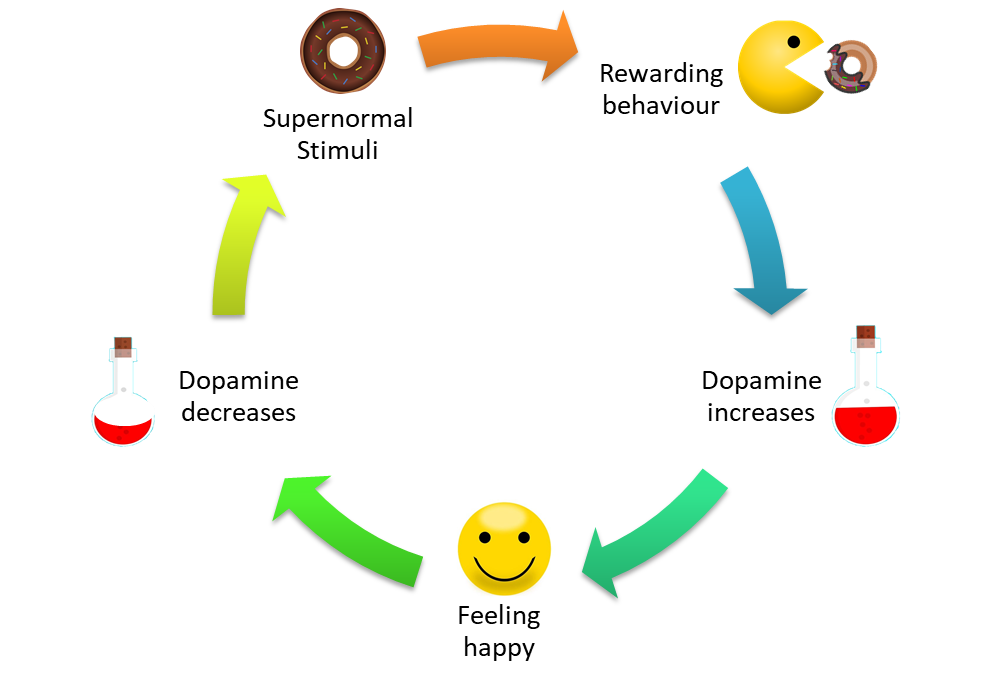
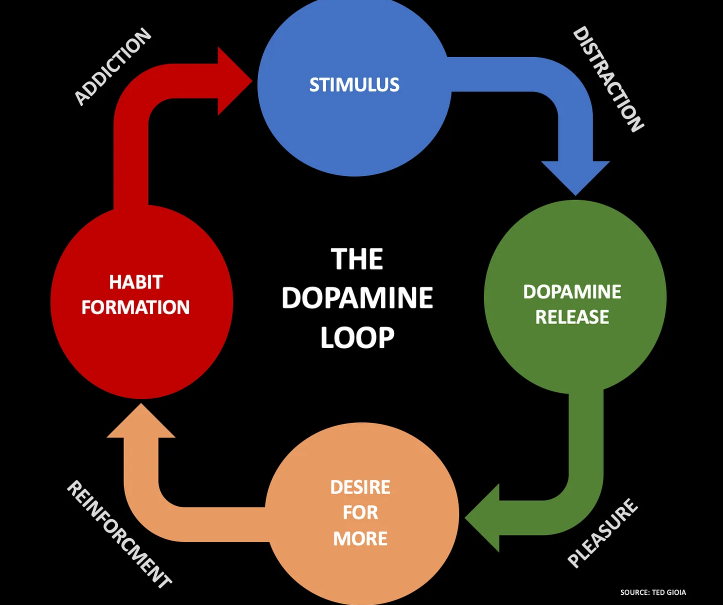
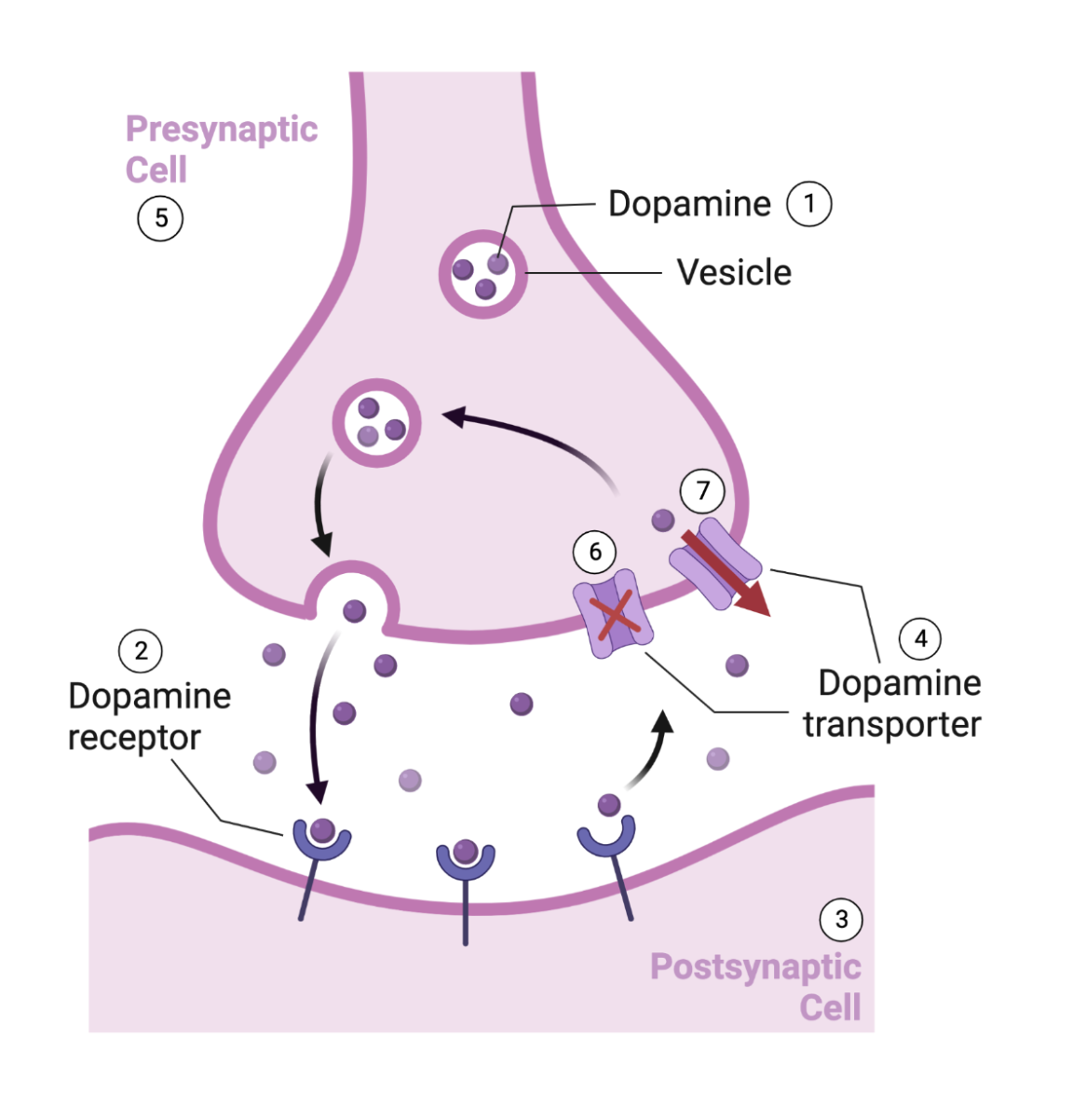
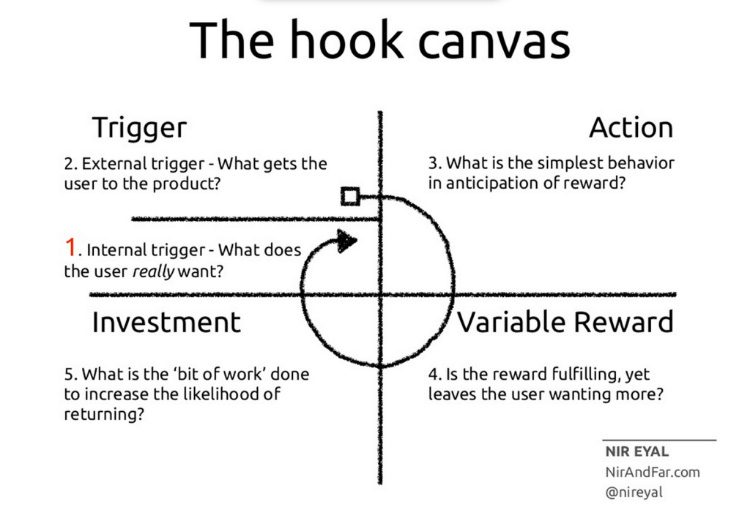
The Dopamine Loop is a feedback mechanism that involves the release of dopamine, a neurotransmitter associated with pleasure, motivation, and reward. When we engage in social media activities, such as posting a photo or status update, our brain releases a small amount of dopamine, creating a sense of anticipation for a response. This anticipation is often triggered by the expectation of likes, comments, and shares, which can create a sense of validation and self-worth.

- The loop begins with an action, such as posting a photo or status update.
- The brain releases dopamine in anticipation of a response.
- The release of dopamine creates a sense of pleasure and motivation.
- The anticipation of a response is often triggered by the expectation of likes, comments, and shares.
- The cycle repeats, creating a feedback loop of desire and reward.
How Social Media Platforms Exploit the Dopamine Loop
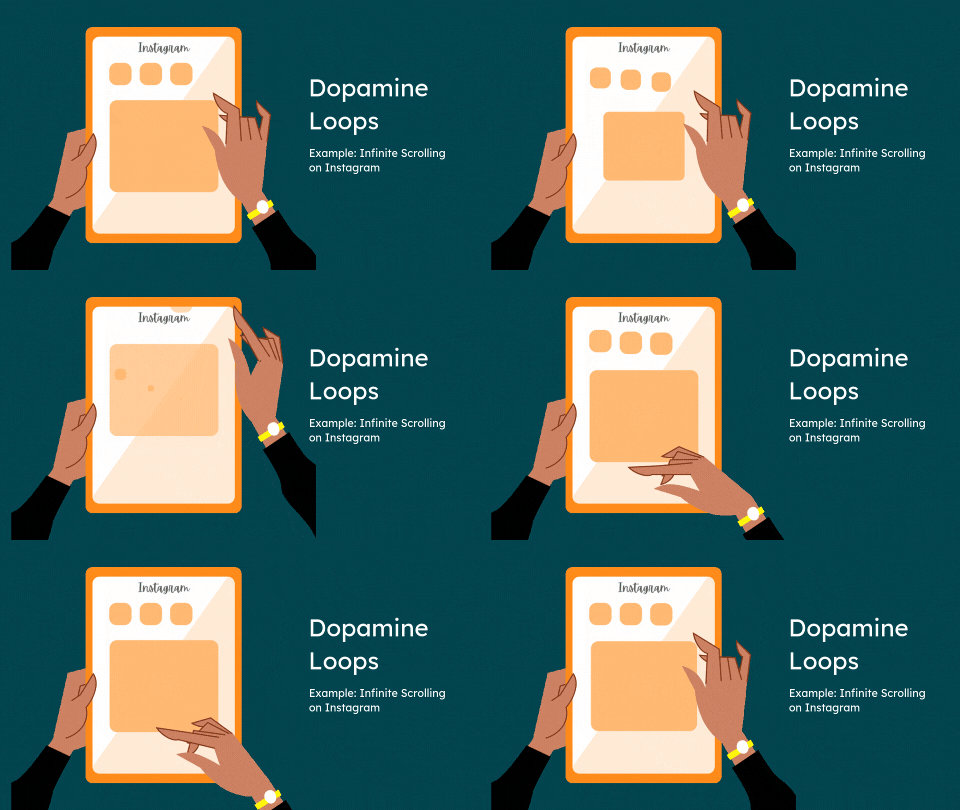
Social media platforms are designed to exploit the Dopamine Loop, using various tactics to keep users engaged. Infinite scrolling, reward systems, and user interactions are all designed to stimulate the brain's craving for more dopamine. For example, when we see a like or comment on our post, our brain releases a small amount of dopamine, creating a sense of pleasure and motivation. This can lead to a cycle of addiction, where we continue to engage in social media activities to feel the same level of pleasure and motivation.
The Neuroscience Behind Digital Validation and Likes Addiction
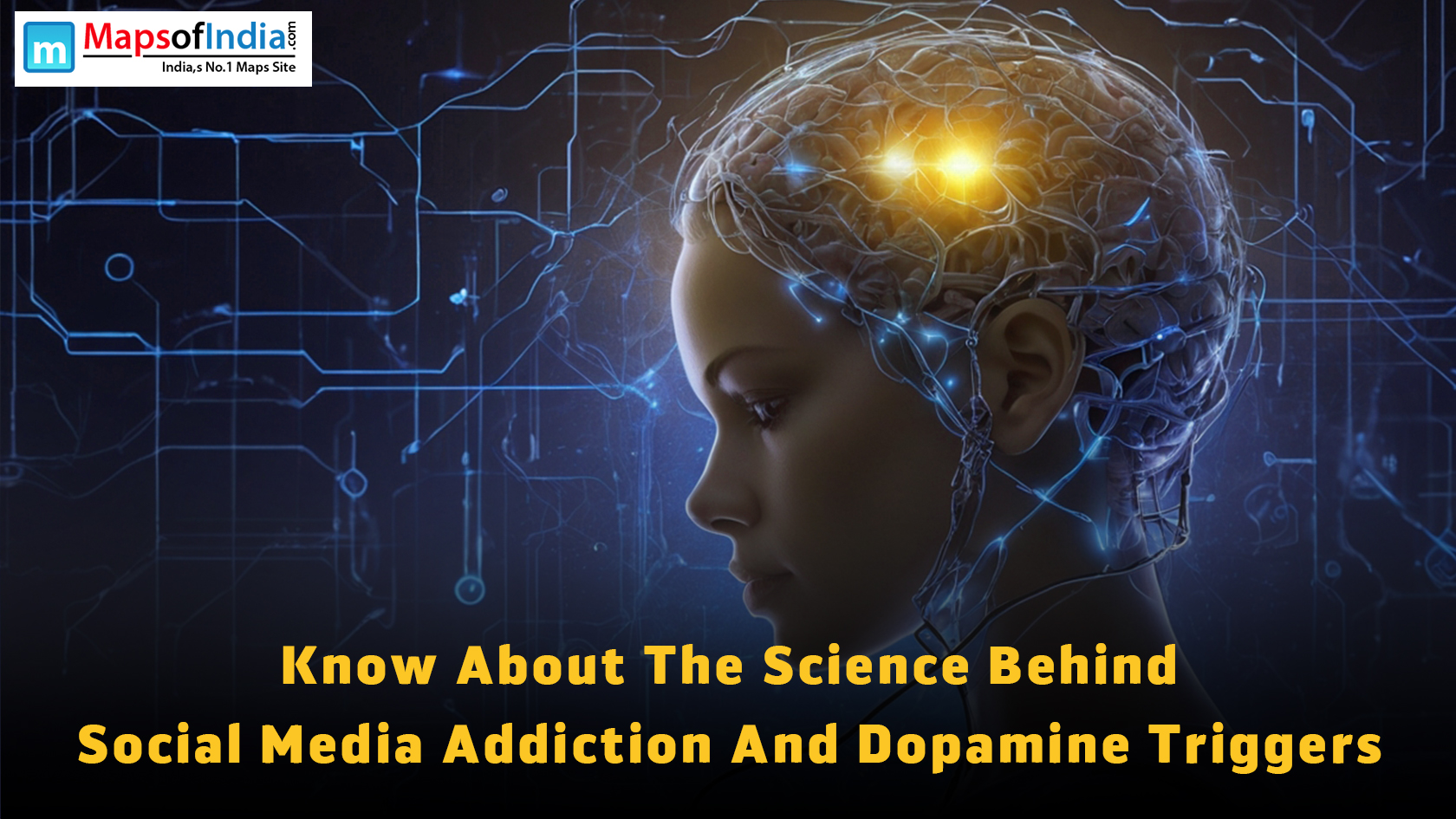
Research has shown that social media triggers dopamine-driven reward pathways in the brain, similar to addictive substances. This can lead to lasting impacts on young users' mental health and behavior. The brain's reward circuitry evolved in a social environment where status and belonging were survival variables. Social comparison, evaluating our standing relative to others, activates the mesolimbic dopamine pathway as a tracking signal. When the comparison is favorable, the signal is rewarding.
So, how can we break the Dopamine Loop and free ourselves from the grip of social media addiction? Here are a few strategies:

Such details provide a deeper understanding and appreciation for Dopamine Loop And Social Media.
- Set boundaries: Establish limits on your social media use, such as specific times of the day or week.
- Practice self-compassion: Treat yourself with kindness and understanding, rather than seeking validation from others.
- Engage in offline activities: Find hobbies and interests that bring you joy and fulfillment outside of social media.
- Seek support: Talk to friends, family, or a therapist about your struggles with social media addiction.
Conclusion
The Dopamine Loop and Social Media is a complex phenomenon that can have lasting impacts on our mental health and behavior. By understanding the neuroscience behind digital validation and likes addiction, we can take steps to break the cycle and free ourselves from the grip of social media addiction. Remember, it's never too late to take control of your social media use and create a healthier, more balanced relationship with technology.